Energy & Climate Change Management
We are in support of nuclear energy and plan to introduce legislation to produce nuclear power plants in various locations of the United States to lower energy costs, provide jobs, and meet the demands of America’s electricity needs. We are also in support of assisting Americans at the gas pump while finding a way to hold oil and gas companies to the environmental standards given by scientists not lobbyists. The scientific consensus that human induced climate change cannot be ignored. 97.7% of scientists worldwide have all given the same consensus; we are in a global emergency that no state is safe from. Ecosystems that are vital to stabilizing the planet are collapsing, agricultural communities are growing deeper into poverty, natural disasters are becoming more extreme and prevalent, and non-renewable resources that are a necessity to life on the planet are growing scarce. We support green energy policies and common-sense legislation that will lower our carbon footprint, not destroy people’s livelihoods or increase inflation. In addition, we need to end unregulated subsidies to industries that cause environmental harm such as fishing, commercial farming, and fossil fuels while providing resources both financial and material to make improvements while maintaining positive net profits.
Key Summary

Priorities of Energy & Climate Management
Ensuring Americans have jobs and no one is left without income in energy fields.
Reaching net zero emissions in the United States.
Lowering Americans energy prices to power their vehicles, homes, and cities.
Expanding nuclear energy and affordable green energy industries in the US.
Developing communities where fossil fuel industries are replaced to provide economic growth.
Invest in communities affected by natural disasters.
Preserving American natural resources, wildlife, and lands.
The Negligence of the Earth and the Cost of Energy
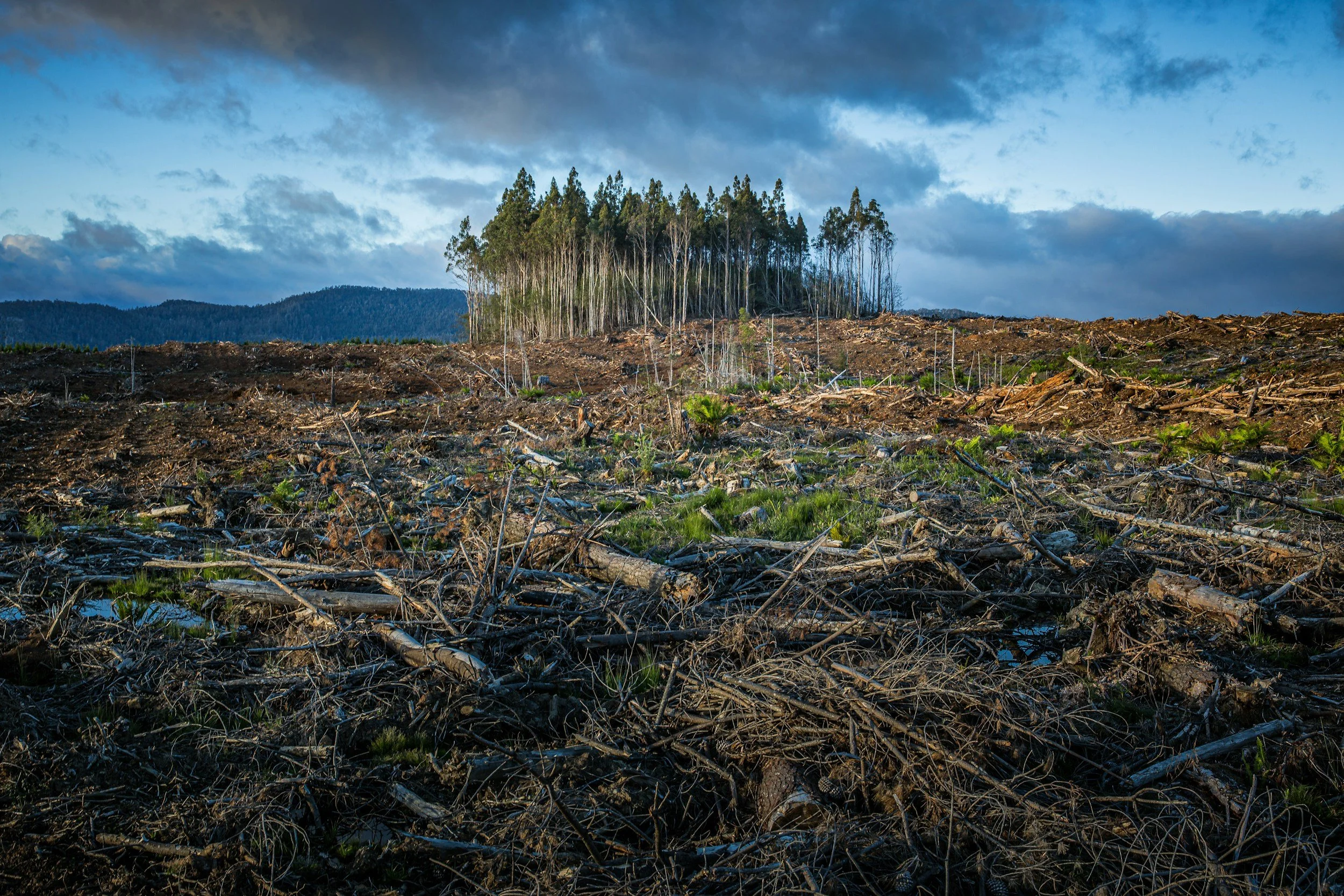
Residential energy costs have risen to $0.18 per kWh which is 7% higher than 2025
-Energy Information Administration
The United States contributes 12% of global greenhouse emissions on average
-Climate TRACE Data
Energy costs rose 240% on the east coast where heatwaves went through
-Financial Times
Energy costs are predicted to rise by 5% in 2027
-EIA
Arctic sea ice has reduced by 13% every decade
-NASA
22% of plastics produced become pollutants or garbage
-UNEP
What can we do?
Develop nuclear energy plants to power major metropolitan areas.
Instead of subsidizing endless industries such as solar or wind power, invest in research to create better transportation solutions that are cleaner for the environment.
Subsidize in local farming to make it more affordable than commercial slaughterhouses.
Localize energy sources.
End fishing subsidies and enforce maritime and aquaculture laws.
Manage food waste to prioritize feeding those with food insecurity as well as impoverished nations.